
UK gas prices and winter bills set to rise as Middle East conflict drives energy costs higher
UK gas prices and winter bills are on course to climb further after wholesale energy markets surged to levels not seen in nearly three years, driven by fresh attacks on oil tankers in the Middle East and growing concerns about global supply disruptions.
Wholesale energy prices move on international commodity markets and can take months to filter through to what households pay, but analysts are already warning that the latest spike could make the coming winter painful for many. UK natural gas futures rose by about 3% to around 195p per therm, the highest level since December 2022. Brent crude oil climbed by nearly 3% to around $100.50 a barrel on Wednesday afternoon, crossing the $100 mark for the first time since late July.
Why prices are rising now
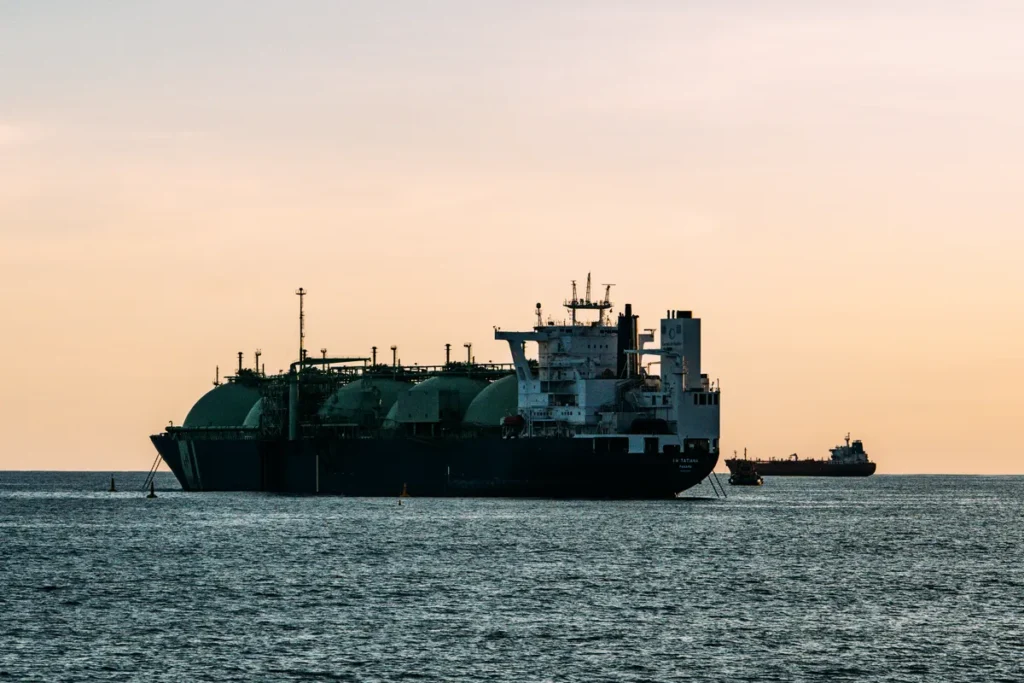
The immediate trigger was news from US officials that multiple oil tankers had been struck in retaliation for attempted missile attacks on a Navy warship. Traders reacted swiftly, pushing up the cost of crude and gas as fears grew about further disruption to supply routes through the region.
The conflict’s reach is being felt beyond energy markets. Data from the RAC showed the average price of petrol rose by 5p a litre in the space of a week to reach 167.17p, with diesel climbing by the same amount to 188.63p. According to the RAC, unleaded petrol had not been that expensive for four years.
Simon Cran-McGreehin, head of analysis at the Energy and Climate Intelligence Unit (ECIU), placed the current situation in a longer context, noting that gas prices had not fully recovered from Russia’s invasion of Ukraine in 2022. He said the conflict with Iran meant households and businesses were now facing another winter of rising bills, adding: “Only by getting off gas and oil can we protect ourselves from volatile international fossil fuel markets.”
What UK gas prices and winter bills could look like
Ofgem, the energy regulator, has already confirmed its price cap (the maximum rate suppliers can charge per unit of energy for a typical household) will rise by 4% in October. Andrew Goodwin, chief UK economist for Oxford Economics, warned that the January cap could go much further. “The increase in wholesale gas prices has more than offset the saving from the Government removing VAT from electricity bills between October and March,” he said. “We think the price cap could rise by another 13% in January, wholesale prices are currently well above the level of the previous observation window, and our commodities team expect them to remain high in the near term.”
Analysts at energy consultancy Cornwall Insight have also forecast that domestic energy prices may rise a further 9% in the new year, according to BBC News. One detail worth noting: because the larger portion of a typical bill is driven by gas, households that do not use gas could see their energy bills rise by less than 1%, compared with a rise of around 8% for those who do rely on it.
Looking further ahead, the UK Parliament House of Commons Library records that unit prices for gas and electricity are set to increase in July 2026 by 28% and 6% respectively. According to Uswitch, the July 2026 price cap will be 13% higher than the April cap, putting the typical annual bill at £1,663 for an average-use household.
Simon Francis, who coordinates the End Fuel Poverty Coalition, said: “The wholesale cost of gas has hit a high not seen since December 2022, while heating oil prices have also surged upwards again. The Ofgem price cap for January is being calculated on prices like these, which means it could be brutal for households already struggling.” He called on the Government to provide targeted support for those in energy debt and to “back the long-term energy efficiency measures that can protect the public from future market volatility”.
Susannah Streeter, chief investment strategist at Wealth Club, warned of a broader economic risk, saying the conflict appeared to be “becoming more entrenched, creating chronic supply concerns around crude and gas, while intensifying trade battles threaten to push up the cost of goods just as central banks are trying to get inflation under control”. Her concern: that firms facing higher energy costs will have “little choice, other than to raise prices, which risks creating another inflationary spiral”.
For households on heating oil or certain heat networks that fall outside the Ofgem price cap, Francis cautioned that price rises could arrive even before the cap is next reviewed.