
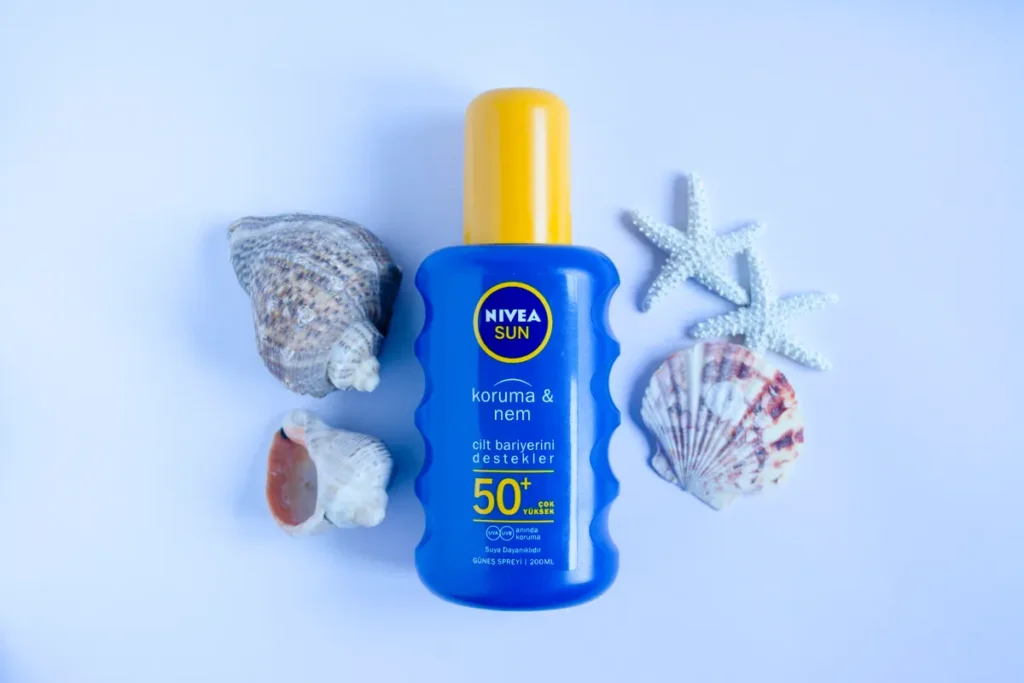
Sunscreen sales UK adults data shows a rise of 8.5% this year, equivalent to 1.6 million more people buying sun protection, yet more than 60% of adults in England, Scotland and Wales still have not purchased any sunscreen so far this year, according to a survey commissioned by Nivea Sun.
The poll, carried out by Worldpanel by Numerator across 30,000 people, found that just 56% of adults in England, Scotland and Wales bought sunscreen at any point in the last two years. The 8.5% year-on-year increase is, however, the highest recorded in five years.
What the sunscreen sales UK adults figures actually show
Of those who did buy sun protection, nearly 30% chose SPF 50, which is more than double the proportion who bought any other SPF level. Cancer Research UK welcomed any increase in sales but warned that the overall picture remains concerning, with too few adults buying sunscreen, let alone applying it regularly.
The charity also cautioned that using sunscreen from previous years can reduce its effectiveness. Consumers can check the open-lid symbol on packaging, which features the letter M and a number indicating how many months the product will last once opened.
Melanoma cases crossed 20,000 for the first time in 2022
The backdrop to these purchasing figures is a long-term rise in skin cancer cases. Cancer Research UK revealed that the annual number of new melanoma skin cancer cases in the UK passed 20,000 for the first time in 2022, and is projected to reach over 26,000 a year by 2040.
According to Cancer Research UK, melanoma incidence rates have increased by more than two-and-a-half-times (a rise of 164%) since the early 1990s, and have gone up by around a quarter (26%) in the last decade alone. That long-run trend makes the sunscreen sales UK adults gap all the more pressing.
The same charity’s statistics show there are around 2,600 melanoma skin cancer deaths in the UK every year, which works out to more than seven every day, according to Cancer Research UK’s mortality data. Around a third (32%) of all new melanoma cases are diagnosed in people aged 75 and over, underlining that this is not a risk confined to younger sunbathers.
Melanoma is the fifth most common cancer in the UK, with almost nine in ten cases caused by excess ultraviolet (UV) exposure. Crucially, UV radiation from the sun, rather than heat, causes sunburn and skin cancer. The sun can be strong enough to cause burning from mid-March to mid-October in the UK, regardless of whether there is a heatwave.
UV risk is not the same as feeling hot
Caroline Geraghty, cancer information nurse at Cancer Research UK, said: ‘With temperatures skyrocketing across the UK this summer, it’s easy to focus on the heat and forget about UV. But it’s UV radiation, not temperature, that causes sun damage.’
She added: ‘Sunscreen isn’t a suit of armour. Seeking shade and covering up with clothing are some of the most effective and affordable ways to protect yourself from the sun’s harmful rays. Checking the UV index on your weather app can help you plan ahead and know when it’s time to take extra precautions.’
Cancer Research UK advises people to seek shade especially between 11am and 3pm, cover up with clothing, a wide-brimmed hat and UV-protection sunglasses, and to apply sunscreen with at least SPF 30 and four or five stars. Sunscreen should be reapplied regularly and generously, particularly after swimming, sweating or towelling.
The survey was commissioned by Nivea, whose Nivea Sun range was the subject of the Worldpanel by Numerator research. With new melanoma cases projected to surpass 26,000 a year by 2040, Cancer Research UK’s message is that rising sunscreen sales UK adults data is a step in the right direction, but far more people need to make sun protection a regular habit, not a summer afterthought.