
The Drax profit outlook upgrade announced on Thursday puts the power generation company on course to finish 2026 at the top end of City forecasts, after a summer heatwave pushed up demand for electricity and a major acquisition broadened its renewable portfolio. Shares in Drax rose 0.8% to 826p in early trading.
Drax group chief executive Will Gardiner said the company’s facilities ‘helped meet power demand through the summer heatwave, turning up and turning down as required to help balance the system’. The National Energy System Operator (Neso), the body responsible for keeping Britain’s electricity grid stable, issued four call-outs for additional power supply during the summer, with most of these linked to soaring temperatures. Drax told shareholders it delivered a ‘strong performance’ in July and August, and that adjusted earnings for 2026 were now expected to be ‘around the top’ of forecasts.
What the heatwave meant for the grid
When temperatures spike, demand for air conditioning, refrigeration and cooling equipment all rise together. That puts pressure on the grid, and grid operators have to call on flexible generators, ones that can ramp output up or down quickly, to keep supply and demand in balance. Drax’s facilities are designed to do exactly that, which is why Neso turned to them multiple times across the summer.
Will Gardiner framed the period in terms of energy security: ‘We are investing for the future in UK energy security, growing our megawatts under management and transitioning Drax into a broader business at the heart of the UK energy system, whilst keeping the lights on for millions of households across the country.’
The Bluefield Solar acquisition and what it adds
Alongside the trading update, Drax pointed to the boost from its acquisition of Bluefield Solar Income Fund (BSIF), a renewable infrastructure investor. The report states the £561 million takeover completed in August; Bluefield’s own investor page records the completion date as 31 July 2026.
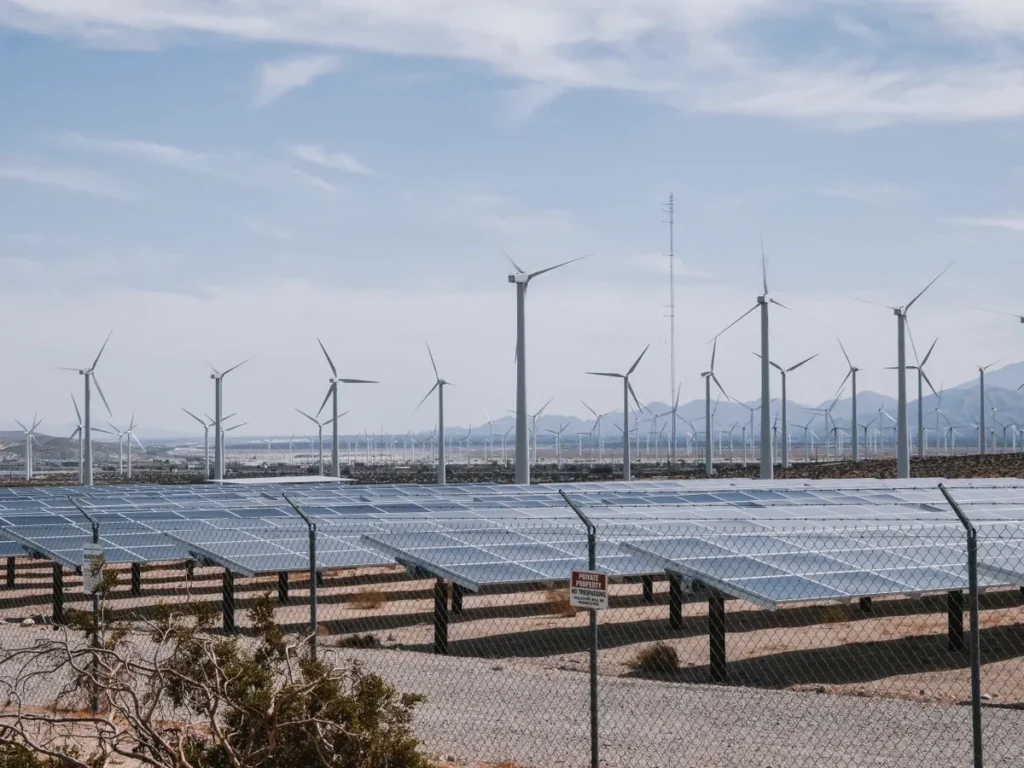
The scale of what BSIF brings to Drax is considerable. According to Drax’s own figures, the deal added approximately 900MW of operational and under-construction solar and wind assets, alongside a 2.9GW development pipeline that could be delivered over the coming decade. To put 2.9GW in context, that is enough generating capacity to supply several million homes if fully built out.
BSIF’s output figures also give a sense of the fund’s current scale. In the year ending 30 June 2026, BSIF was expected to generate around 880 GWh of clean energy, enough to power approximately 326,000 homes, while avoiding over 155,000 tonnes of CO₂e emissions, according to a Financial Times markets announcement.
Will Gardiner said the integration was going well. ‘The addition of BSIF brings significant benefits to the group,’ he said. ‘Alongside the rest of our portfolio, BSIF gives us a fantastic opportunity to grow our asset base and system services further.’
Drax profit outlook and the wider expansion strategy
The Drax profit outlook upgrade sits within a broader push to move beyond any single type of generation. Earlier in 2026, Drax completed another acquisition: Flexitricity Limited, described in the Financial Times as a UK-based optimiser of flexible energy assets. Flexitricity’s platform is expected to support Drax’s ambition to develop a gigawatt-scale pipeline of BESS (battery energy storage system) opportunities. Battery storage plays a similar balancing role to flexible generation: it can absorb excess power when supply outstrips demand, then release it when the grid needs a top-up.
Together, the heatwave-driven trading performance, the BSIF solar and wind portfolio, and the Flexitricity battery storage platform represent the shape of what Drax is building: a company that earns from generating power, from storing it, and from helping the grid stay balanced under pressure. The 2.9GW development pipeline that came with BSIF, if progressed, will be the clearest test of whether that strategy translates into lasting growth.