The UK’s competition regulator has opened formal investigations into Trainline, Virgin Atlantic and Red Driving School over drip pricing, the practice of separating mandatory charges from the headline price or adding them later in the buying process, with consumers potentially entitled to compensation if the companies are found to have broken the law. The Competition and Markets Authority (CMA) confirmed the Trainline Virgin Atlantic drip pricing investigations are part of a broader clampdown on misleading pricing across UK markets.
Drip pricing means that a shopper sees what looks like the full cost of something, only to discover additional fees before they reach the checkout, or sometimes only when they review their order. The CMA says this forces buyers to calculate the real total themselves, and can make a more expensive company appear cheaper than a rival that shows its full price from the start.
What each investigation covers
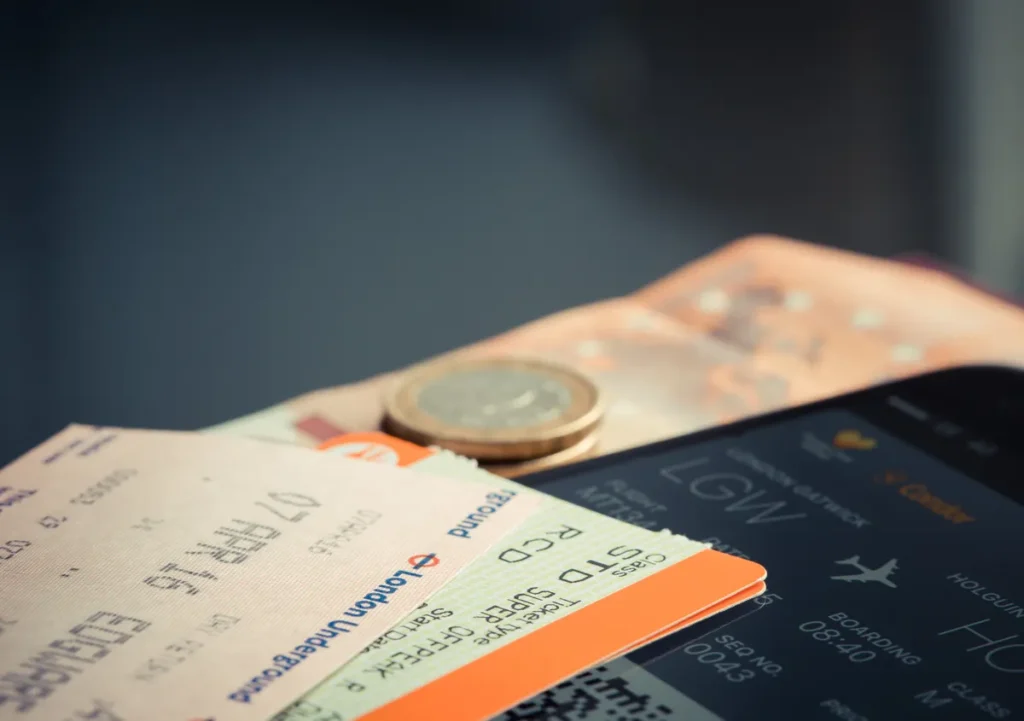
The Trainline probe centres on whether all mandatory fees were shown upfront to customers buying train and coach tickets through its app and website. The CMA said it observed transactions with additional fees ranging from 50p to £2.79, including a £1.50 booking fee for coach journeys. This is not the first time Trainline has faced scrutiny over fees: in 2023, the Office of Rail and Road said Trainline and six other third-party ticket sellers were not being upfront about charges, according to BBC News.
The Virgin Atlantic investigation focuses on mandatory resort fees and local taxes applied to package holidays. A spokesperson for Virgin Atlantic Holidays said the company takes its responsibility to customers seriously, that mandatory fees are indicated at multiple stages throughout the booking journey, and that it will co-operate fully with the CMA’s investigation.
Red Driving School is being investigated over how a mandatory booking fee and a so-called digital fee, typically £7 per booking, were displayed to customers booking driving lessons. Red Driving School was contacted for comment.
Trainline Virgin Atlantic drip pricing: the stakes for businesses
The CMA’s new consumer enforcement powers give it the ability to fine companies up to 10% of global turnover if it finds an infringement of the law, without needing to go to court, according to the CMA’s own published guidance. Previous drip pricing cases show how those powers can bite. The CMA ordered ticket resale platform StubHub to pay out nearly £1.5m in customer refunds and penalties for drip pricing, and separately fined the AA £4.2m and ordered it to repay more than £760,000 to learner drivers over similar practices, according to The Guardian.
Trainline’s shares fell by around 15% to 206.1p in early trading after the CMA’s announcement. A Trainline spokesperson said the company is committed to offering a transparent booking experience and has been engaging proactively with the CMA over several months, adding that it is taking steps to improve how certain fees are presented and will continue to work with the regulator.
What regulators and consumer groups are saying
Emma Cochrane, executive director for consumer protection at the CMA, said: ‘Clear pricing helps people compare offers confidently and choose the option that works best for them. Unexpected mandatory charges make this much harder, which is why the CMA initially put these firms on notice over concerns about their pricing practices and is now opening formal investigations.’
Sue Davies, head of consumer rights policy at Which?, called on the CMA to use its enforcement powers firmly: ‘The CMA shouldn’t hesitate to use its new consumer enforcement powers to fine any firms that have broken the rules, especially after each firm has already received a warning advisory letter. Following comments made by the Prime Minister last week that unfair pricing practices have no place in our economy, this move sends a clear message to other businesses to follow the rules.’
Each of the three companies had already received a warning letter from the CMA before the formal investigations were opened. Under the CMA’s process, if an investigation concludes that the law has been broken, affected consumers may be entitled to compensation.