
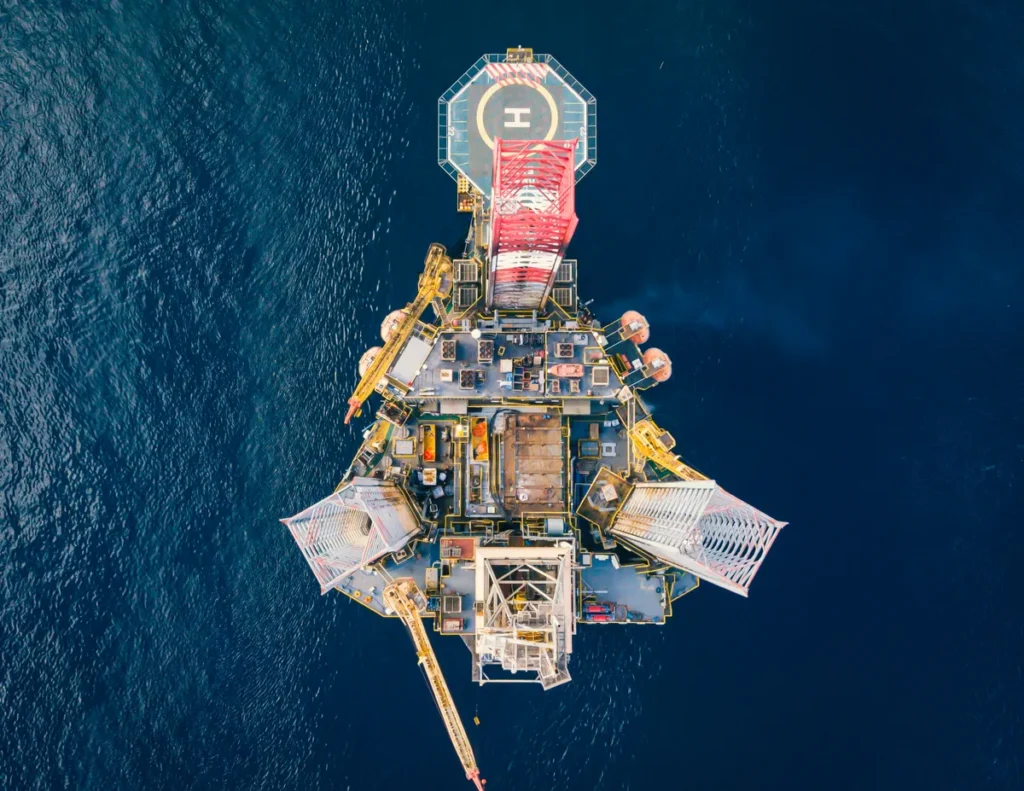
The Jackdaw gas field approval could come as soon as this month, according to government sources cited by the BBC and The Guardian, with Energy Secretary Miatta Fahnbulleh expected to give her recommendation to the North Sea Transition Authority, which officials hope will then issue formal approval within a week. The field lies off the coast of Aberdeen and, if given the green light, would be one of the first major North Sea developments to clear the regulatory hurdle since courts overturned earlier approvals.
The North Sea Transition Authority (NSTA) is the UK body that oversees licensing and development of oil and gas fields on the UK Continental Shelf. Both Jackdaw and the nearby Rosebank oil field were originally approved under the previous Conservative government, but legal challenges brought by environmental groups led courts to strike those approvals down, with judges ruling that ministers had not fully considered the environmental impact of burning the fuels the fields would produce.
What the Jackdaw gas field approval would mean for UK energy
Jackdaw and Rosebank are operated by Adura, a joint venture between Shell and Norwegian energy firm Equinor. Aberdeen-based Ithaca also holds a 20% stake in Rosebank. Adura says the two projects together could provide 10% of the UK’s gas production and 10% of UK Continental Shelf (UKCS) oil output, contributing over £28 billion in value to the economy and supporting more than 3,500 jobs at peak construction. The company puts total investment across both projects at £10.8 billion, with the potential to unlock £1.4 billion in tax revenues by the end of this Parliament, rising to £3.8 billion before the end of the next Parliament.
On Jackdaw alone, Adura says the field could produce up to 6% of the UK’s gas output at its peak. Environmental groups contest that figure, placing the contribution closer to 2% of UK gas demand over the field’s roughly ten-year lifetime.
The Aberdeen and Grampian Chamber of Commerce described the anticipated Jackdaw gas field approval as a “hugely important vote of confidence in the North Sea”. Chief executive Russell Borthwick said the same urgency must now be applied to Rosebank, calling it “another major project capable of supporting thousands of jobs, billions of pounds of economic activity and significant tax revenues for the Treasury.”
Industry body Offshore Energies UK (OEUK) has said the two projects combined would support a peak of more than 3,500 jobs during construction, and 880 jobs externally throughout their lifespans.
Rosebank oil field decision expected later in the year
While Jackdaw may be resolved this month, a final decision on Rosebank is likely to take longer. The Guardian reports that the £8.7 billion Rosebank field, which is the biggest undeveloped field in UK waters and is estimated to contain as much as 500 million barrels of oil or oil equivalent, is likely to receive a decision later in the year. Energy Secretary Fahnbulleh is reported to be inclined to approve it, though no formal announcement has been made.
Asked whether Jackdaw approval was imminent, a No 10 spokeswoman told reporters: “I don’t have an update for you basically. It’s a quasi-judicial decision.” The Department for Energy Security and Net Zero (DESNZ) said: “We do not comment on speculation. The North Sea remains a vital national asset and oil and gas will continue to play an important role in our energy system for decades to come, alongside transitioning to clean power to protect jobs and tackle the climate crisis.”
Andrew Bowie, the Tory shadow energy secretary, said approving the Jackdaw gas field was “common sense”, adding: “Labour’s ban on new oil and gas licences has been disastrous for the North East and cost thousands of workers their jobs as they continue to dither over a decision.”
Environmental groups urge rejection of both fields
Friends of the Earth Scotland warned the government against what it called caving in to fossil fuel company pressure. Caroline Rance, head of campaigns for the group, said: “New fossil fuels means deadly new climate disasters like the devastating floods in Nepal or the extreme heatwaves that have killed nearly 3,000 people in the UK this summer.” She said both Jackdaw and Rosebank “must be rejected once and for all.”
Tessa Khan, executive director of environmental group Uplift, argued that further drilling would “do nothing” to cut energy bills and make “no meaningful difference to UK energy supply.” Khan said that after 50 years of drilling, the UK has burned most of its gas, with the majority of what remains being oil largely destined for export. She described a new field on the scale of Rosebank as “fundamentally incompatible with safe climate limits and the UK’s international commitments.”
The DESNZ said any decision would take into account all relevant evidence, including environmental assessments and public representations received during the consultation process. With Fahnbulleh’s recommendation to the NSTA now expected shortly, the formal decision on the Jackdaw gas field approval could follow within days of that referral.