Energy Ombudsman billing disputes surge 16% as household finances stay under strain
The Energy Ombudsman accepted 46,532 cases in the first half of 2026, a 16% rise on the same period a year earlier, with Energy Ombudsman billing disputes accounting for the largest share as pressure on household finances continued to bite. The figures mark the first half-year increase in complaints since 2023.
The Energy Ombudsman is the independent body that steps in when a consumer and their energy supplier cannot resolve a disagreement. Once a complaint has been stuck for eight weeks, or a formal deadlock has been reached, customers can ask the ombudsman to adjudicate.
Billing at the heart of the rise in Energy Ombudsman billing disputes
Billing problems drove the increase most sharply. At 27,006 cases, billing disputes made up 58% of all complaints accepted in the half-year and were 15% higher than in the same period of 2025. With energy costs still a daily concern for many households, errors or disagreements over what consumers owe are clearly a persistent source of friction between customers and suppliers.
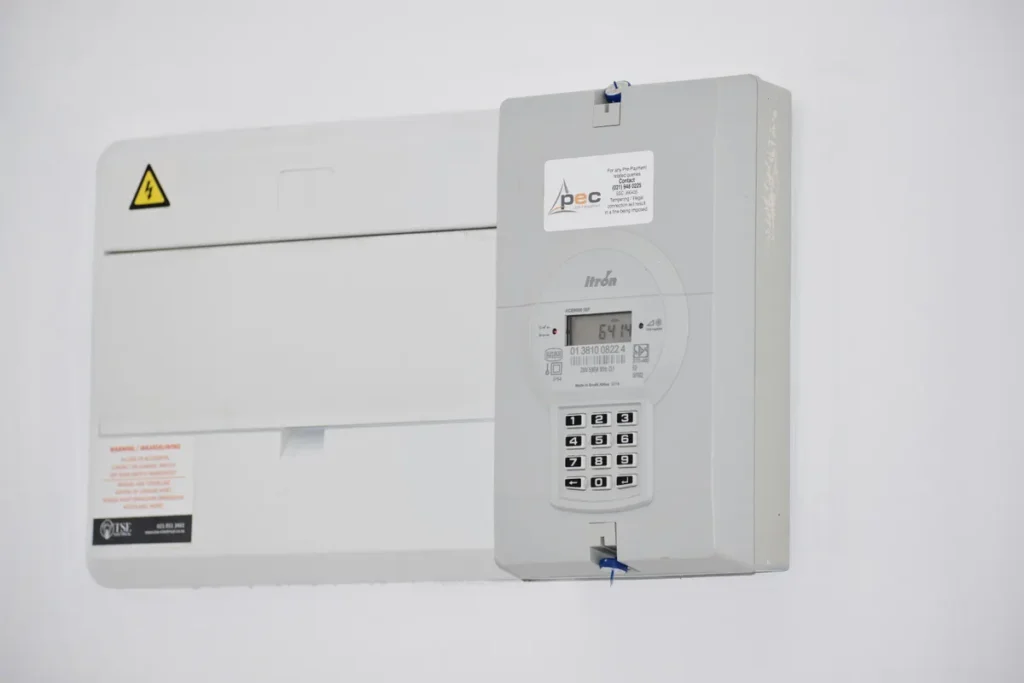
Smart meter complaints also featured prominently, making up 10% of cases in the second quarter of 2026 and running 6% higher across the full half-year at 4,817. Smart meters are the digital devices replacing traditional gas and electricity meters; they are designed to send readings automatically, but the figures suggest they continue to generate their own disputes.
By contrast, complaints about standard meters held almost flat. According to Energy Ombudsman data, standard meter complaints stood at 1,095 in the first half of 2026, barely changed from 1,097 in the first half of 2025, a fall of just 0.2%.
Small businesses facing their own complaint pressures
The picture is not limited to domestic consumers. The Energy Ombudsman’s small business data shows that 7,168 cases from small and microbusinesses were accepted between January and June 2026. Smaller organisations, like households, are covered by the ombudsman scheme and the volume of business cases suggests the strain on energy customers extends well beyond the domestic market.
There were some brighter signs in the overall data. Customer service complaints fell 5% to 3,500 across the six months, suggesting some improvement in how suppliers handle day-to-day contact. Suppliers are also doing more to tell customers about their right to escalate unresolved problems to the ombudsman. The average rate at which firms point customers towards the service, known as signposting, rose from 48% in 2025 to 53% in the first six months of 2026.
Ed Dodman, chief ombudsman for energy, said: ‘The findings in this report highlight the continued challenges facing many energy consumers at a time of ongoing pressure on household finances. Energy Ombudsman has an important role to play in ensuring consumers can access fair resolutions when things go wrong, while supporting suppliers to resolve disputes and address the root causes of complaints.’
Regulatory changes and the looming price cap decision
The timing of the data release is pointed. Ofgem, the energy regulator, was expected to announce an increase in the energy price cap from 1 October, with the latest forecasts pointing to a 4% rise. The price cap sets the maximum rate suppliers can charge per unit of energy; a rise of that scale, arriving as households switch their heating back on, could push bills higher for millions of people and further strain the relationship between consumers and their suppliers.
Separately, the Department for Energy Security and Net Zero announced in June that it would strengthen the ombudsman’s powers. The planned changes include cutting the complaint escalation timeframe from eight weeks to six weeks and allowing compensation for consumers when agreed remedies are not delivered on time. If those changes take effect, more disputes could reach the ombudsman sooner, potentially pushing case numbers higher still in the second half of the year.