The UK GDP World Cup boost helped push the economy to 0.4% growth in the second quarter of 2025, but warnings from inside Government suggest the year ahead could be considerably harder. Official figures from the Office for National Statistics (ONS) showed gross domestic product (GDP, the total value of goods and services produced) grew by 0.4% between April and June, with June alone recording a better-than-forecast 0.3% rise driven by hospitality, leisure and retail firms that benefited from football fever and record hot weather.
What the World Cup and heatwave did for the economy
Food and drink businesses were among the first to feel the benefit when the World Cup kicked off on 11 June, with television and advertising sectors also picking up. England’s run to the semi-finals extended the effect well into July. Hot weather gave a separate lift to retailers, hotels, and firms in the amusement and recreation sector, as well as some manufacturers.
The ONS said the dominant services sector grew by 0.4% in June, though falls of 0.5% in manufacturing and 0.1% in construction partially offset that. June’s extreme heatwave, which saw three consecutive days of record-breaking temperatures peaking above 37°C, had a more complicated effect: while some businesses thrived, construction firms and schools reported disruptions and closures.
Across the full second quarter, services grew by 0.5%, construction expanded by 0.3%, and manufacturing recorded 1% growth. The ONS described growth as remaining ‘relatively robust’ in the quarter, though it represented a slowdown from 0.6% in the first three months of the year.
The UK GDP World Cup boost may not carry through to year-end
The brighter second-quarter picture sits alongside increasingly serious concerns about what comes next. It emerged that Treasury experts briefed the Prime Minister to expect the economy to barely grow next year if disruption to the Strait of Hormuz, linked to the Iran war, continues until the end of 2026. Internal Treasury modelling suggests UK GDP could see growth as low as 0.3% in 2027, according to Government sources.
According to This is Money, that 0.3% figure would represent the worst performance since 2023, when Britain was in the grip of a cost-of-living shock following Russia’s invasion of Ukraine. The same modelling warns that inflation could rise from 2.6% to 4.3% in the first quarter of 2027, a prospect that would add further pressure to household budgets already stretched by energy costs.
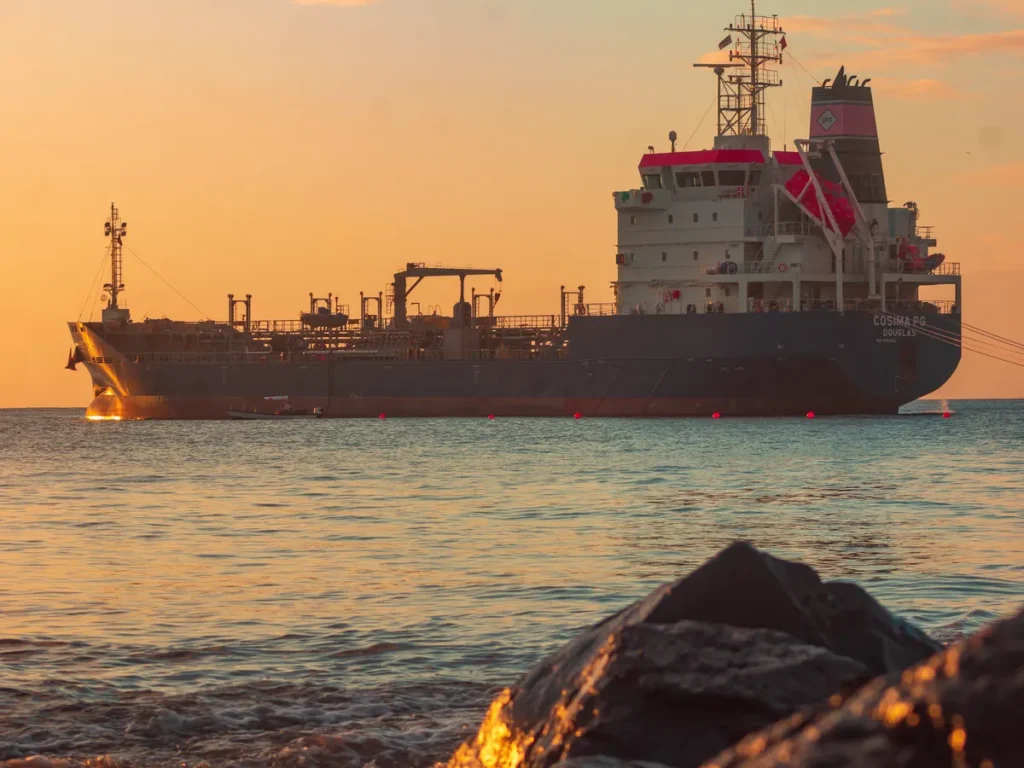
The Strait of Hormuz is a narrow waterway between Iran and Oman through which, before the war, a fifth of global oil and gas supplies passed, according to This is Money. Disruption there feeds directly into wholesale energy prices worldwide, including in the UK.
BBC News reports that the scenario presented to the Government modelled the Strait of Hormuz remaining effectively closed for the next five months, with no permanent US-Iran peace deal until the new year. That framing helps explain the urgency behind the Treasury’s warnings.
Ofgem’s energy price cap rose 13% at the start of July and is expected to climb again in October as the Iran war pushes wholesale costs higher, though the Government’s decision to cut VAT from power bills will offset some of that increase.
Matt Swannell, chief economic adviser to the Item Club, cautioned that growth will be ‘very weak’ in the second half of the year as energy price hikes and soaring fuel costs weigh on consumer spending power. Thomas Pugh, chief economist at RSM UK, added that ‘the economy is likely to shift down a gear over the second half of the year, despite a temporary boost from the World Cup and the hot weather,’ warning that ‘the pressure on household finances, and for Government to do something about it, will only grow.’
Chancellor John Healey acknowledged the strain in his response to the ONS figures, saying: ‘I know people are worried about the impact of the conflict in the Middle East on their cost of living, which has been too high for too long and it has added pressure on British businesses. This is an active, hands-on Government, putting British interests first, giving breathing space to those feeling the strain, making our country more resilient and bringing hope back.’
With the energy price cap rise already in place and a further increase expected in October, the test of that resilience is set to arrive before the year is out.